Why Do Casino Games Use a Finish Line to Show Progression?
Walk into any casino game, especially online slots or bonus rounds, and you might spot a common visual trope: the finish line. It’s a simple yet powerful symbol nodding to the drama and excitement of motor racing, complete with chequered flags, roaring engines, and blinking starting lights. But why do developers incorporate this distinctive imagery and progression mechanic? And what does it mean for your game experience?
In this deep dive, we’ll explore the intertwining worlds of motorsport visual language, casino game design, and player psychology. We’ll reference key industry voices, including Motorsport Week’s keen eye for authentic racing elements, iGaming platforms like MrQ that successfully blend these themes, and regulatory watchdog eCOGRA’s standards slingo rainbow riches for fairness and clarity. Along the way, you’ll see how tools like Random Number Generators and Return to Player percentages underpin these flashy visual journeys — even if the finish line itself might sometimes just be presentation rather than skill.
The Motorsport Visual Language in Casino Games
Why motorsport? It’s famous worldwide, instantly recognisable, and packed with natural drama that game designers can exploit. Elements like chequered flags, starting lights, and speedometers fill players with a sense of pace and competition, even when they’re just clicking a spin button.
Chequered Flags and Starting Lights: Signals of Adventure
- Chequered flags universally signal the end of a race, a moment of triumph, perfect for a bonus round’s finish line.
- Starting lights create anticipation — red to green means “go”, and this countdown builds tension right before a big spin, much like the build-up at a real Grand Prix.
- Speedometers and lap counters often act as progress trackers, helping players feel they’re “racing” through stages or levels.
Motorsport Week has long noted how such imagery triggers excitement among fans because it’s loaded with familiar cues. Casino providers borrow this instantly intelligible shorthand to make their games not just slots or card tables but immersive stories with a “journey” feel.
Sound Design: The Engine Noise of Engagement
Visuals alone don’t tell the full story. Casino games that lean into racing themes also bang the right auditory drums:

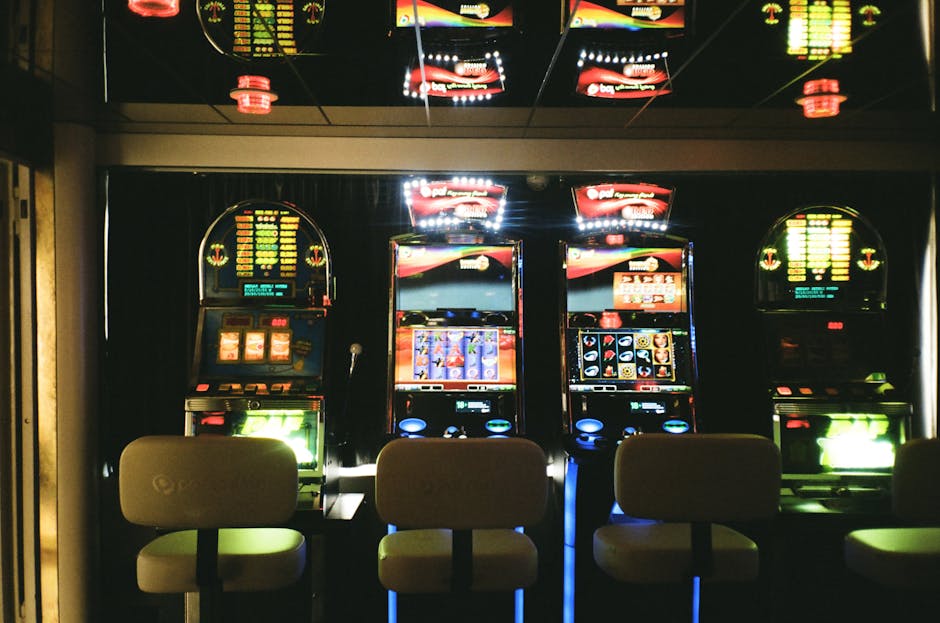
- Engine sounds revving up can signal the start of a bonus sequence, mimicking the adrenaline rush of drivers.
- Countdowns add drama, as players brace for the outcome, much like those nerve-wracking lights in Formula 1.
- Circuit ambience such as cheering crowds or the hum of a racetrack environment delivers extra immersion that’s more than skin-deep.
The result? Players feel part of the action, as though they’re navigating a real race rather than merely clicking “spin.”
The Finish Line as a Progression System in Casino Games
Now we get to the crux: why use a finish line at all? It’s not just a gimmick. It’s a smart way to visualise what game developers call a progression system.
What Is a Progression System?
This is a mechanic designed to show players how far they have come in a bonus round or feature, and how close they are to a big win. Instead of relying on abstract meters or numbers, the finish line converts progress into a tangible goal — crossing the line means you’ve completed the journey.
Bonus Journey Motivation
Players love a clear path. The finish line clarifies what they’re working towards, making the experience feel rewarding and less random. The key bonus mechanics tied to this progression often include:
- Multipliers: Advance stages to increase payout multipliers, adding excitement.
- Steps or laps: Collect rewards or triggers as you rack up distance or rounds.
- Mini-games or checkpoints: Offering varied gameplay while building towards the big finish.
MrQ, a popular iGaming platform, employs racing themes well, combining the finish line with stages of a race where every spin pushes players closer to bigger potential wins. These implementations echo real-world racing’s structure and add narrative tension.
Random Number Generators and RTP: Underpinning the Fairness
The flashy visuals and tense countdowns can never obscure the most important foundation of any casino game: fairness. Behind the scenes, game outcomes are controlled by a Random Number Generator (RNG), a complex algorithm that ensures every spin or hand is independent and unpredictable.
The RNG ensures the finish line progression isn’t actually a physical race you can “win” by skill or timing but a presentation overlay on top engine sound slot game of fair, regulated randomness.
The Return To Player (RTP) percentage is another crucial factor. RTP is the long-term expected payout of a game expressed as a percentage of the total stakes wagered. For example, an RTP of 96% means that, on average, players get back £96 for every £100 wagered over time.
eCOGRA, an independent testing agency, regularly assesses these elements to certify games adhere to strict fairness and transparency rules. Their work helps prevent misleading claims about progression systems that might imply player control when outcomes are entirely chance-based.
Why This Matters for the Finish Line Metaphor
Understanding RNG and RTP is important because the finish line is largely a narrative and visual device, not a literal race you can influence. Some marketing material might hype “racing towards big wins!” but knowing the mechanics helps set expectations properly.
Common Misconceptions and Pitfalls
It’s tempting to think the finish line implies skill-based progression or that hitting it edges the player’s odds. This is a misconception.
- No reflex-based advantage: Unlike real motorsport, clicking “spin” faster or at a particular moment doesn’t impact RNG-driven outcomes.
- Progression can feel deterministic: Presentation layers often show a meter or moving car, but these visualisations sync with pre-determined results, not actual position in a race that the player controls.
- Beware marketing fluff: Claims about “better odds” as you near the finish line without explaining RTP variance or the nature of RNG are misleading.
- No invented prizes: It’s common in scraped articles or aggregators to see bonus journeys described without actual prize values, likely because these vary by platform, game, and promotion. Avoid inventing amounts without source info.
Summary: Why Casino Games Use the Finish Line to Show Progression
Key Theme Explanation Motorsport Visual Language Easy-to-recognise icons like chequered flags and speedometers build instant emotional connection and excitement. Ready-made Drama Countdowns, engine sounds, and racing ambiance create tension and immersion, turning spins into a “race.” Progression System Finish lines serve as clear markers of bonus round advancement, motivating players through a visible journey. RNG and RTP The actual game outcomes are fair, regulated, and random; the racing visuals add flavour, not skill. Industry Standards eCOGRA and platforms like MrQ ensure transparency and fairness alongside engaging design.Final Thoughts
The finish line in casino games is both a nod to motorsport culture and a clever way to visualise progression. It turns what could be a dry bonus spin into a mini race filled with anticipation and immersion. However, players should remember it is a presentation tool layered on RNG-based results—there’s no real "race" to win.
For those who appreciate both the thrill of a race and the excitement of gaming, this fusion delivers a compelling, recognisable bonus journey. Always play responsibly and keep in mind that no “finish line” guarantees a win — it’s the game’s random engine powering the real outcomes.