How to Check If Your Casino Name Is Easy to Remember Tomorrow
A casino name can sound clever in a meeting and disappear from someone’s mind by breakfast. That gap matters. People need to remember a brand well enough to search for it, recommend it, or recognize it later—often after seeing it only briefly on a phone screen.
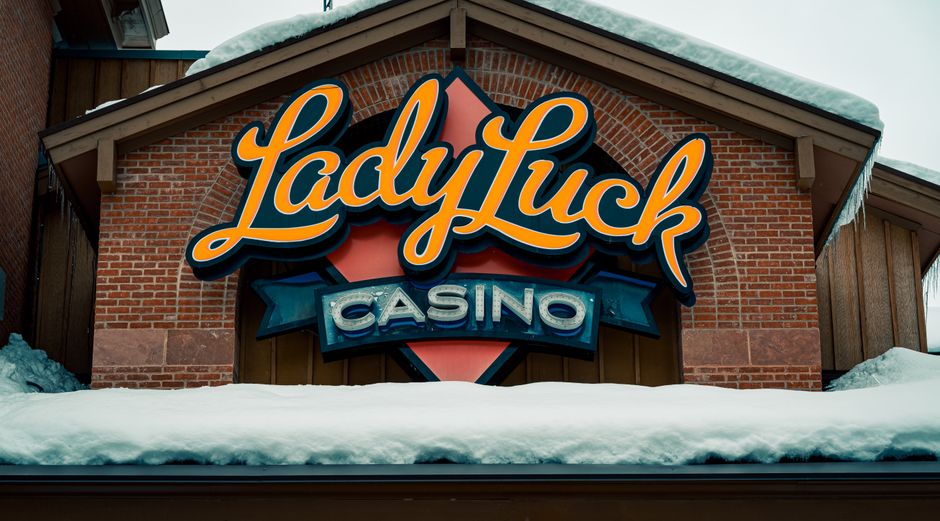
The practical question is not simply, “Do people like this name?” It is, “Can they recall it tomorrow, spell it correctly, and tell it apart from other options?” A useful memory test can help answer all three before a name appears in advertising, app stores, or a regulated market.
This guide explains how to test casino-name recall, why pronounceability helps, and how to balance distinctiveness with an approachable feel. It also covers the history of online casino naming and the checks teams can use before committing to a name.
Why tomorrow is the right time to test
Immediate reactions can be misleading. A name may feel memorable because it is new, because a presenter has repeated it several times, or because the creative team already knows the story behind it. Those conditions do not match a potential customer’s experience.
A delayed memory test adds distance. Participants see a name once, move on to an unrelated task, and then try to remember it later. Testing the next day is especially useful because it reveals what stuck after the name had to compete with ordinary life.
Recall is different from recognition. Recognition asks, “Have you seen this name before?” Recall asks, “What was the name?” A brand can feel familiar when shown in a list but be difficult to retrieve without a prompt. Both measures matter, but unaided recall is the sharper test of whether the name can come to mind on its own.
A brief history of online casino naming
Early online casino names often emphasized the category directly. Words such as “casino,” “slots,” “online,” and “club” made the offer easy to identify at a time when the internet was https://varimail.com/articles/why-some-casino-names-feel-corporate-and-cold/ less familiar and businesses needed to explain what they did. Names also borrowed from traditional casinos: grand venues, gold, glamour, and ideas of luck or fortune.
As online entertainment became more crowded, naming moved in more than one direction. Some brands kept explicit category cues for clarity. Others pursued a more distinctive identity that could work across games, mobile products, and advertising. The shift reflects a wider branding challenge: a name should signal enough to be understood without sounding like every competitor.
Today, app-first brands also have to work in compact spaces. A name needs to fit in a mobile search bar, remain legible as an icon label, and be easy to type without autocorrect changing it. “Looks good on a billboard” is no longer enough; teams need to consider search results, app listings, social handles, and spoken recommendations.
Names such as MrQ illustrate the concise, ownable style used by some modern online casino brands. That observation is about naming style, not a claim about performance. Any team considering a similar approach should test whether the name is understood, remembered, and distinguishable in its intended market.
Approachable or aspirational? Choose the right tone
Aspirational branding can suggest excitement, status, escape, or a special occasion. It may create a strong atmosphere, but overly grand language can feel distant or generic if many brands use the same ideas. Words implying luxury or exceptional rewards also deserve careful legal and marketing review, especially where they could create misleading expectations.
Approachable branding tends to use familiar language, a conversational voice, or a lighter personality. It can be easier to say and remember, but a name that is too casual may not communicate the category clearly. The aim is not to choose one tone forever; it is to decide which one fits the product, audience, and regulatory context.
Ask participants to describe the name in their own words. If people independently call it “friendly,” “formal,” “exclusive,” or “playful,” the intended tone may be coming through. If they mainly say “I don’t know what it means,” the name may need clearer cues or stronger supporting design.
Why processing fluency and pronounceability matter
Processing fluency is the ease with which people can perceive, say, and understand something. A name that is simple to pronounce and spell usually creates less friction during those first interactions. Less friction does not automatically make a name memorable, but it can make the name easier to encode and retrieve.
Pronounceability matters in real situations: a person hears the name in a video, tells a friend about it, or uses voice search. If listeners cannot agree on how to say it, recommendations may become awkward and searches may go wrong. The same problem appears when a name has an unusual spelling that is hard to reconstruct from sound.
Use a simple out-loud check. Say each candidate twice at a normal pace, then ask someone unfamiliar with the project to repeat it. If the second repetition feels like a tongue-twister, or the listener asks how to spell it, note that as a potential barrier—not an automatic veto.
Also inspect the name in a mobile search bar. Is it readable at a glance? Could someone mistype it? Does it resemble a common word or competitor enough to create confusion? A name that is short on a slide can still be difficult to enter correctly on a phone.
Distinctiveness: stand out without becoming obscure
Distinctiveness helps people separate one brand from another. It can come from an unusual but understandable word, a distinctive sound pattern, a memorable combination, or a clear verbal identity. A generic name may describe the category but blend into search results and conversation.
On the other hand, a name can be so unusual that people cannot pronounce, spell, or connect it to the product. The goal is not maximum novelty. It is useful distinctiveness: enough character to stand apart, with enough clarity to be remembered and repeated.
Look at the competitive set, not just the name in isolation. Search engines can reveal similar names, spelling variants, and crowded search results. Digital media checks can show how a candidate behaves in social posts, video captions, and small-format creative. These checks are not a substitute for trademark clearance or legal advice, but they can expose practical problems early.
Run a next-day memory test
A useful test does not require a large research budget. It does require consistent instructions and a clean separation between exposure and recall. Avoid explaining the name’s backstory before the test; that explanation can become a memory aid the brand will not have in the real world.
- Choose a focused set. Test a manageable number of candidates alongside a few realistic competitor-style names. Keep the presentation format consistent.
- Show each name once. Use the context people are likely to encounter: a plain wordmark, a search result, or a simple app-style screen. Do not repeat the names aloud.
- Add a distraction. Give participants a short, unrelated activity after exposure so they cannot simply rehearse the list.
- Wait until the next day. Ask participants not to look up or discuss the names during the gap.
- Measure unaided recall first. Ask, “Which brand names do you remember seeing yesterday?” Do not provide hints or multiple-choice options yet.
- Check spelling and meaning. Ask participants to write the names as they remember them and describe what they think each brand offers.
- Measure recognition afterward. Show the candidate names mixed with plausible alternatives and ask which ones they saw before.
- Compare the results. Review recall, spelling accuracy, pronunciation, perceived category, and confusion with other names together.
What to measure—and how to read it
Do not reduce the decision to one score. A candidate with high recognition but low unaided recall may be familiar-looking without being easy to retrieve. A name that people remember but cannot spell may create search friction. A name that is easy to pronounce but sounds like several competitors may lack useful distinctiveness.
Measure Question to ask What a weak result may suggest Unaided recall Can people name it the next day without a prompt? The name may not stand out or may be hard to retrieve. Spelling accuracy Can people type the name correctly from memory? The spelling may be unintuitive or the sound-to-letter link unclear. Pronunciation Do people say it in a similar, confident way? The name may create friction in conversation or voice search. Category understanding Can people tell what kind of brand it is? The name may need clearer context from design or supporting copy. Distinctiveness Can people tell it apart from other names in the set? The candidate may feel generic or too close to competitors. Recognition Can people identify it when they see it again? The name or its presentation may not have made a clear impression.Use research and compliance checks responsibly
Good naming work combines small, practical tests with careful review. Research organizations such as Pew Research Center can be useful references for thinking about survey design and how question wording affects responses. Do not treat a quick informal test as representative of an entire market; describe it accurately and use it to identify issues worth investigating.
For a UK-facing casino brand, involve legal and compliance teams early. The UK Gambling Commission sets the regulatory framework for licensed gambling in Great Britain, and advertising and consumer-protection requirements may affect how a name, tagline, or supporting claim can be used. A memorable name does not make a potentially misleading implication acceptable. Review the name in context, including nearby copy and creative, rather than evaluating the word alone.
Also check availability and risk before falling in love with a finalist. Search engines can surface obvious conflicts and confusingly similar uses, while digital media checks help assess whether the name is usable across relevant channels. These are screening steps, not legal clearance. Consult qualified professionals for trademark and jurisdiction-specific advice.
Common mistakes to avoid
- Testing only with the team. Internal familiarity makes recall seem stronger than it is for new audiences.
- Prompting participants too soon. Showing a list before unaided recall turns a memory test into recognition testing.
- Choosing cleverness over usability. A pun that needs explaining may be difficult to repeat or search for.
- Confusing unusual with distinctive. Strange spelling can attract attention but make typing harder.
- Ignoring the competitive context. A name can sound original on its own and still blend into its category.
- Using unsubstantiated claims. Keep the name and its supporting language away from implications that cannot be substantiated or are inconsistent with applicable rules.
A simple decision rule
Keep a candidate in consideration when people can recall it the next day, pronounce it consistently, spell it with reasonable accuracy, and distinguish it from the alternatives. Then confirm that the intended tone is clear and that the name can pass legal, regulatory, and availability review.
If a name scores well on immediate appeal but poorly on delayed recall, do not assume a bigger campaign will fix it. First investigate why it is slipping: Is it too generic, hard to pronounce, or confusingly similar to another brand? A focused adjustment may preserve the strongest idea while removing the friction.
The best casino name is not simply the most glamorous or the most unusual. It is a name people can recognize, remember, say, and find again—tomorrow as well as today. Test that behavior early, and the decision becomes less about personal taste and more about evidence.