How Close Do You Sit to a Slot Machine Screen in a Casino?
Sitting down at a slot machine, you might take for granted the carefully engineered relationship between the player's seat, the screen, and the cabinet itself. But how close do you actually sit to slot machine size a slot machine screen in a casino? What historical and mechanical factors shaped this experience? And how does this distance affect your viewing comfort, especially compared to modern devices like your smartphone or desktop monitor?
In this post, we'll explore the intricacies of screen height placement, viewing distance, and stool position at slot machines, with natural nods to gaming brands like MrQ Casino and the preserved history of gaming hardware that institutions like the California Office of Historic Preservation track and protect. We’ll also cast a critical eye on industry buzzwords around "screen size" that can mislead you without context.
Why Your Distance to the Slot Machine Screen Matters
The distance you sit from a slot machine's screen is no accident. It’s the outcome of a long history of mechanical constraints, ergonomic considerations, and evolving technology. Unlike holding a smartphone or sitting at a desktop computer where you can adjust distance at will, slot machines have a fixed cabinet and screen height designed to fit a typical player’s comfortable reach and line of sight.
For example, the average player’s eye level relative to the slot machine’s screen and reel window is carefully calibrated to maximize engagement and readability. The seat (or stool) position relative to the cabinet ensures that UI elements and reels fit within a natural thumb’s reach and line of sight, something that slot machine designers have optimized over decades.
The Mechanical Constraints That Shaped Early Slot Cabinets
Before video slots ruled the casino floor, early mechanical slot machines were bulky and limited by technology:
- Cabinet Footprint & Hardware: The physical reels, coin mechanisms, and payout trays all required substantial space behind and beneath the screen window.
- View Window Size: The "reel window" (the visible part of the mechanical reels) was only a portion of the overall cabinet front.
- Stool Placement: Players needed to comfortably reach the pull arm or buttons without strain, positioning the stool a fixed distance from the machine.
Institutions like the California Office of Historic Preservation document many of these early cabinet designs, highlighting how the mechanical necessities locked in certain cabinet shapes and viewing distances that persist in some ways even today.
Cabinet Footprint Is More Than Just the Reel Window
Even if the reel window is around 15 inches tall diagonally, the entire cabinet front is considerably larger, sometimes 30 inches or more to accommodate lighting, artwork, controls, and speakers. This larger cabinet influences how far you sit because the stool must clear the base and allow you to reach the controls comfortably.
Keep in mind that the diagonal screen measurement — that 15-inch figure for the reel window — doesn’t tell you the whole story:
- Diagonal inches measure screen size corner-to-corner but say nothing about actual screen height versus width.
- The aspect ratio (width to height ratio) can vary, which means two screens with the same diagonal size might have very different heights.
- Without considering how high the screen is placed on the cabinet, diagonal size alone can mislead you about how comfortable the viewing experience actually is.
How Video Slots Changed the Viewing Distance Dynamics
Video slots introduced flat screens in the late 1980s and 1990s. Instead of fixed mechanical reels, the screens could render digital images and animations — but this also changed cabinet and screen size considerations:
- Video slot screens often got larger, sometimes expanding from traditional 15” tall windows to screens measuring 19” or 22” diagonal, increasing the overall cabinet size.
- Despite the bigger screen, the seat-to-screen distance didn't always increase proportionally because casinos aim to maintain user comfort and UI accessibility.
- The need for brighter, more dynamic displays pushed manufacturers to increase screen height placement, sometimes making players tilt their heads upward.
Modern casinos featuring brands like MrQ Casino blend classic form factors with sleek new designs, attempting to keep the ideal viewing distance while enhancing graphics and sound.
Video Slots vs. Mobile Screens: Why Bigger Isn’t Always Better
Contrasting a slot machine screen with your smartphone or desktop monitor is instructive:
Device Typical Screen Diagonal Typical Viewing Distance Screen Height Approx. Slot Machine 19-22 inches (video slot) 20-30 inches (fixed stool) 9-12 inches Smartphone 6-7 inches 12-18 inches (handheld) 2.7-3.5 inches Desktop Monitor 21-27 inches 20-28 inches (ergonomic seating) 10-14 inchesNotice that although video slot machines have large diagonal screens, the fixed seating position essentially mimics the optimal ergonomic distance of a desktop monitor, but with less flexibility. Meanwhile, mobile devices are held at a closer, more variable distance and require different UI scaling to ensure button reachability.
This dynamic explains why video slots pushed bigger screens before mobile gaming rewired expectations for smaller, closer screens and responsive UI.

Screen Height Placement and Stool Position: The Human Factors Behind Slot Design
Slot machine designers carefully consider three intertwined factors:
- Screen Height Placement: The vertical position of the screen ensures most players can view the reels comfortably without tilting their heads up or down too much.
- Viewing Distance: The fixed distance between the player’s eyes and the screen affects how readable small details, fonts, and UI elements are.
- Stool Position: The distance and height of the seat relative to the cabinet base ensure ease of access to buttons and touchscreens.
Ergonomics requires that input elements fall within a natural thumb reach area and that the entire visual field is within a relaxed viewing angle, usually between 15° to 20° vertical line of sight adjustment from eye level.
UI Element Size and Thumb Reach
From my nine years working on casino floors, I've observed that a common usability failure is UI elements that ignore these principles, making buttons frustratingly small or too far away to tap accurately, especially on modern video slots with complex menus.
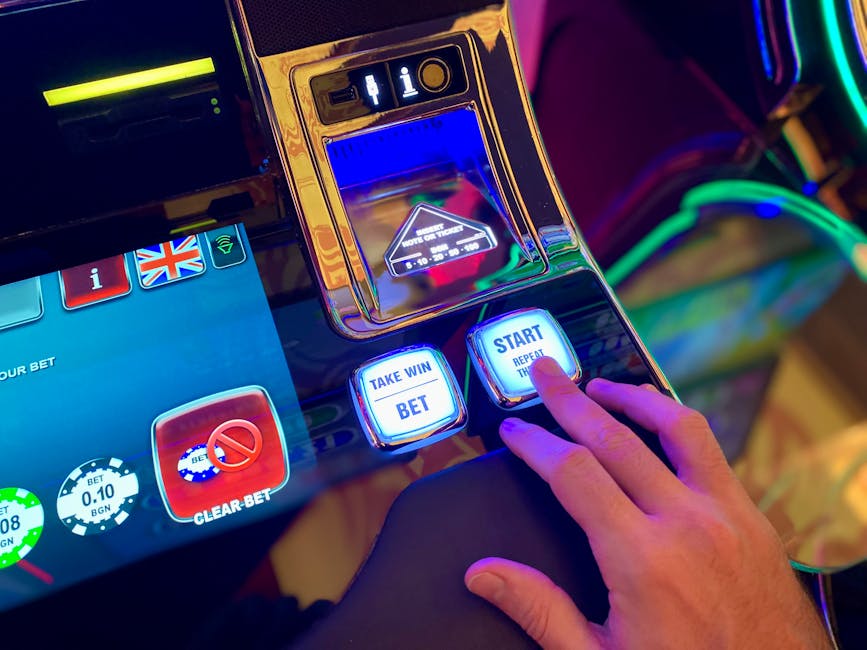
Casinos like MrQ and others often feature games with touchscreens as well as traditional buttons. Designers must ensure the stool is placed so a player's thumb can comfortably hit all necessary controls without awkward stretching, which would discourage long playing sessions.
Summary: Finding Your Ideal Slot Machine Spot
In short, the distance you sit from a slot machine screen isn’t random. It is born through:
- Legacy mechanical constraints shaping cabinet size and footprint.
- A reel window and screen size that are only part of the visible cabinet face.
- The evolution from mechanical reels to bigger video screens before mobile changed player expectations toward smaller, closer screens.
- Careful ergonomic planning around screen height placement, viewing distance, and stool position for player comfort and usability.
- The need to accommodate human thumb reach and reading comfort at a fixed distance unlike adjustable desktop and mobile devices.
When you next sit down at a slot machine—whether at a respected historical venue noted by the California Office of Historic Preservation or at modern online-to-live hybrids like MrQ Casino—take note of how the stool invites you into just the right spot to see, touch, and engage with the game exactly as intended.
Final Note: Don’t Be Fooled by Diagonal Screen Size Alone
Remember, diagonal inches and aspect ratios can be misleading if you don’t consider actual screen height placement and how wide the cabinet is. A larger diagonal doesn’t always mean more immersive or comfortable viewing; it might simply push you farther back or force you to crane your neck.
Think of it this way: measuring screen size like measuring a pencil doesn’t tell you the pencil's useful grip length for writing. Similarly, diagonal sizes only tell part of the story in slot machine screen design.
If you’re comparing slot machine experiences or considering UI design influences from casino floors, keep these human-focused measurements and designs in mind. They’re where function truly meets form.